
A marginal battery can lose effective output in cold conditions, and worn buttons may feel stiffer or respond inconsistently.
Richmond Hill homeowner field guide
Outdoor garage keypad failure map.
A dead or unreliable keypad does not automatically mean the keypad must be replaced. Read the signals in the right order to separate a battery or programming issue from an opener fault, weather damage or a mechanical garage door problem.
- Richmond Hill and York Region context
- Safe, model-aware checks
- No universal reset sequence
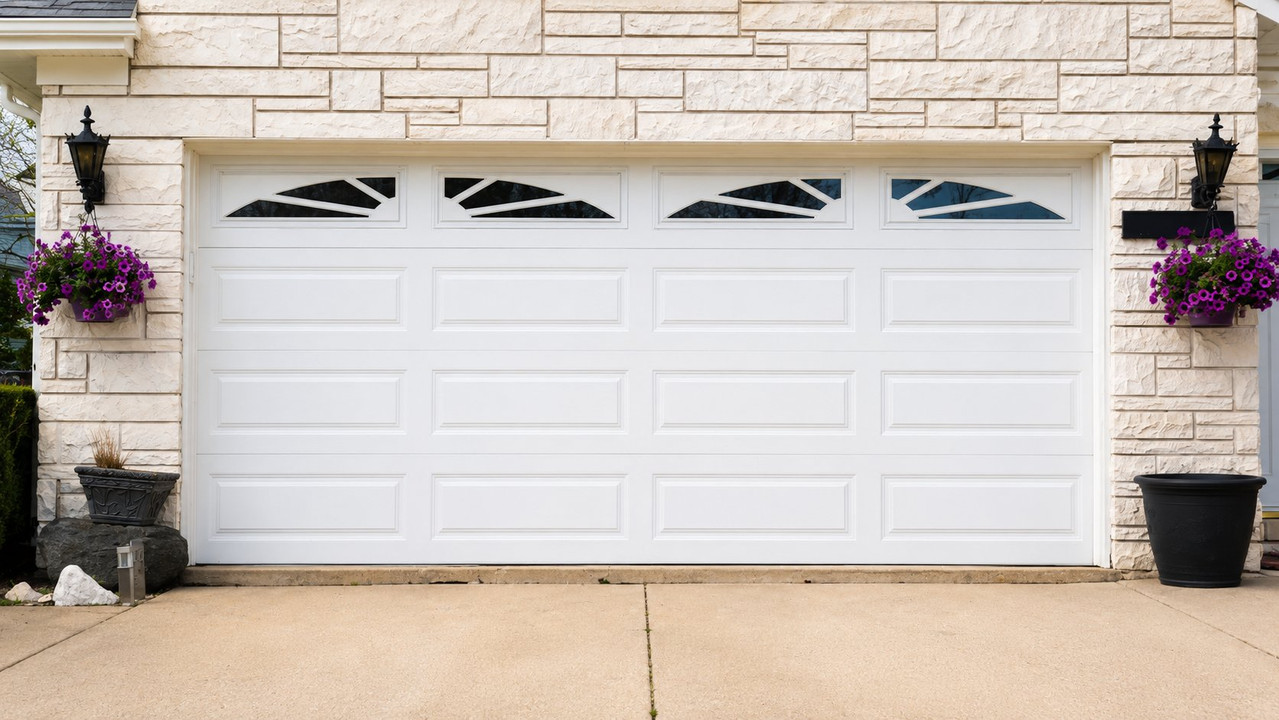
Access system status
Start with the other controls.
If the wall button and remote both work, the fault is more likely isolated to the outdoor keypad.
Signal 01
No light or sound
Start with battery type, polarity, contacts and visible weather damage.
Signal 02
Lights but no movement
Think PIN, pairing, lockout or opener communication rather than dead power.
Signal 03
Fails in cold or rain
Marginal batteries, moisture and cracked housings become easier to spot.
Signal 04
All controls fail
Shift attention from the keypad to opener power, controls or the door system.
Quick overview
Use a control comparison before buying a replacement.
Outdoor garage keypad problems are easiest to understand when you compare three inputs: the keypad, the handheld remote and the interior wall control. When the remote and wall control work normally, the problem usually stays on the keypad side—battery condition, worn buttons, code entry, pairing, signal or weather exposure. When all three controls fail, replacing the keypad first is unlikely to solve the real fault.
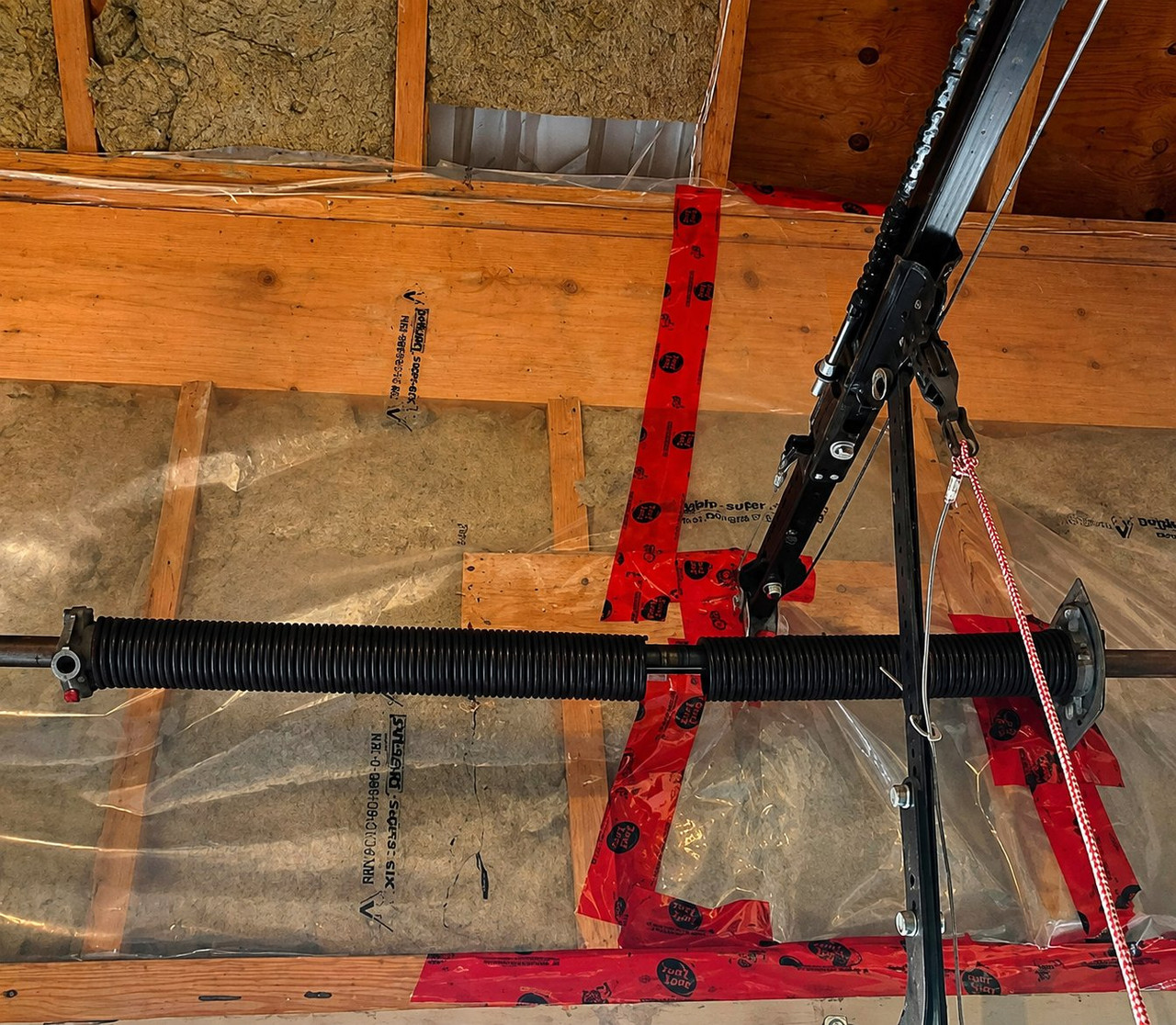
The condition of the door matters just as much as the electronics. A door that is heavy, crooked, off-track, grinding or unable to remain safely in position is not an access-code problem. Stop using it and arrange a mechanical inspection. Springs, cables and door weight are not appropriate DIY troubleshooting areas.
For model-specific Chamberlain symptoms and the distinction between power cycling, reprogramming and clearing opener memory, North Lift Garage Doors provides a focused reference for homeowners before they purchase parts or erase working remotes.
Interactive symptom lab
Choose what the keypad is doing.
This is a symptom map, not a universal programming sequence. Select the closest match to see the most useful first comparison and the point where further guessing stops helping.
Select one symptom
Keypad power path
Start here
No light, beep or visible response
The keypad is not showing usable power. Keep the first check outside the opener motor head: verify that the wall control and handheld remote still operate the door.
Useful first check
Match the battery to the label inside the keypad, confirm polarity and inspect the contacts and battery door.
Stop and escalate when
The correct fresh battery produces no response, the case is cracked, or corrosion and water damage are visible.
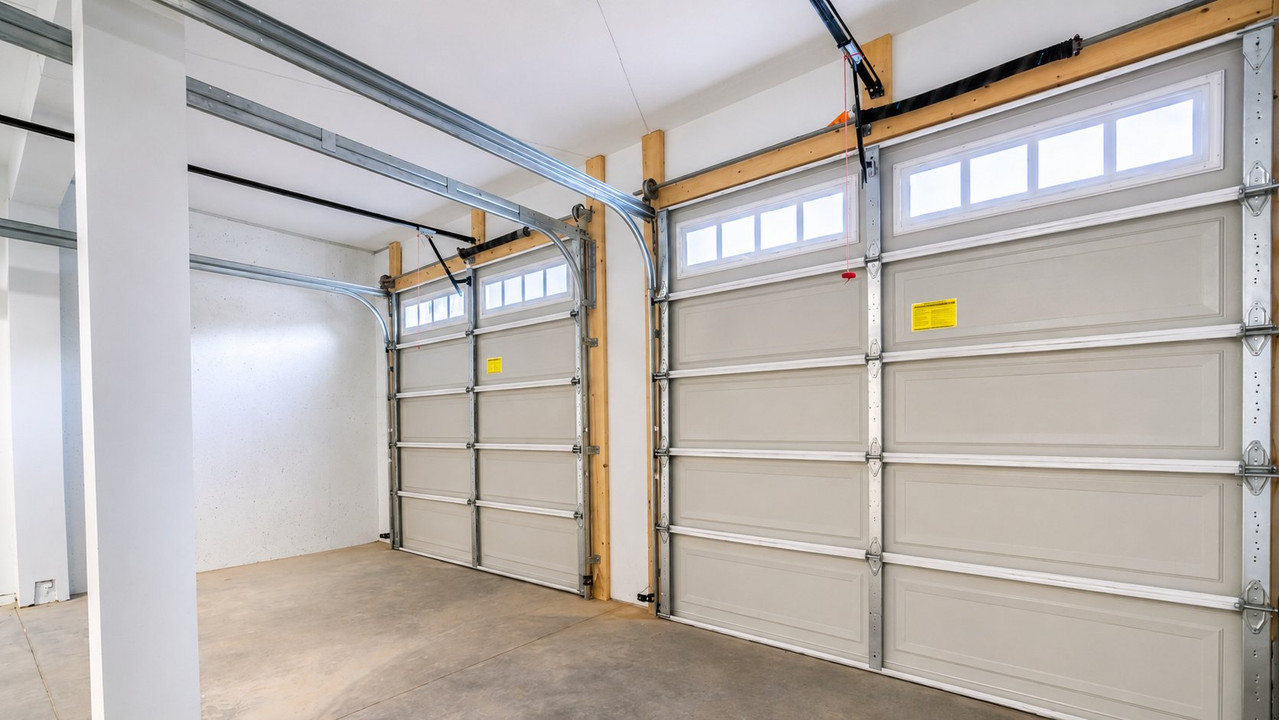
The three-control comparison
Separate the access device from the door system.
A keypad is only one way to send a command. Comparing it with the other controls narrows the fault before programming is changed or replacement parts are ordered.
1
Interior wall control
If it operates the door normally, the opener has power and can respond to at least one command source.
2
Handheld remote
If the remote also works, focus on the keypad battery, buttons, code, programming or mounting location.
3
Door movement
Uneven, heavy or abnormal movement points beyond access controls and should be assessed mechanically.
4
Model identification
Record both the opener and keypad models before using programming instructions or buying a replacement.
Symptom-to-cause matrix
What each pattern usually tells you.
The same “keypad not working” complaint can describe very different faults. Use the whole pattern—the lights, the other controls, the weather and the door movement.
| Observed pattern | What it suggests | Reasonable next step | Boundary |
|---|---|---|---|
| No light or beep | Battery, polarity, contacts, battery cover, keypad electronics or weather damage. | Verify the labelled battery type and inspect the battery area without opening the opener motor head. | Keypad-side check |
| Lights, but the PIN does nothing | The keypad has power; code entry, pairing, temporary lockout or communication becomes more likely. | Try the PIN once carefully, identify both models and follow the matching programming instructions. | Model-specific |
| Stopped after other remotes were programmed | Opener memory may have been changed or cleared during a different programming task. | Confirm which remotes still work before pressing memory-clearing controls again. | Preserve working devices |
| Works indoors or when warmed | A weak battery, moisture, cold-sensitive contacts or a deteriorated case may be involved. | Replace the correct battery and inspect the housing for cracks, water marks and terminal damage. | Weather pattern |
| All controls fail | The keypad is unlikely to be the only issue. Opener power, control electronics or the door system needs attention. | Stop changing keypad codes and arrange opener or door diagnosis. | Professional diagnosis |
| Door is crooked, heavy or off-track | A spring, cable, track or balance problem may be present. | Stop operating the door and keep people clear of the opening. | Mechanical safety stop |
Richmond Hill climate context
Outdoor controls age differently from indoor electronics.
A keypad mounted outside experiences temperature swings, precipitation, sunlight and repeated freeze-thaw cycles. Those conditions do not prove a unit has failed, but they help explain why a borderline battery or worn housing can behave normally one day and become unreliable the next.
Rain, meltwater and condensation can reach cracked cases or damaged battery covers and contribute to corrosion.
Long-term UV exposure can fade labels, embrittle plastic and weaken the weather seal around the keypad housing.
An overtightened or distorted housing may affect button feel or reliability, especially on uneven exterior surfaces.
Repair, reprogram or replace
Choose the response that matches the evidence.
A clean decision avoids two common mistakes: replacing a healthy keypad when the opener is the real problem, or repeatedly reprogramming a weather-damaged keypad that is no longer reliable.
The keypad is intact and the other controls work.
Continue with low-risk checks when the case is sound, the door moves normally and the problem is isolated.
- Correct battery and polarity
- Clean, undamaged contacts
- Model-matched programming
- One careful PIN attempt
Physical wear is more convincing than another reset.
Replacement becomes reasonable when the unit itself shows clear deterioration or persistent unreliable input.
- Cracked or warped housing
- Severe corrosion or water damage
- Dead with the correct fresh battery
- Buttons respond only intermittently
The fault extends beyond the outdoor keypad.
Professional diagnosis is more efficient when the opener, controls or physical door movement show a broader problem.
- Wall control and remote also fail
- Door will close but not open from any control
- Grinding, binding or abnormal travel
- Heavy, crooked or off-track door
The mechanical stop point
Some “keypad problems” are really door problems.
An opener may refuse or struggle to move a door that is out of balance, binding or carrying a broken component. Do not keep sending commands when movement looks unsafe.
The door hangs crooked or a roller has left the track.
A spring is visibly broken or a cable is loose, frayed or off its drum.
The door feels unusually heavy or may fall when disconnected.
Grinding, slamming or sudden uneven travel accompanies the keypad complaint.
Frequently asked questions
Garage keypad questions, answered clearly.
Why does my outdoor keypad work only sometimes?
Intermittent operation commonly points to a weak battery, worn buttons, moisture, dirty contacts, housing distortion or inconsistent wireless communication. Compare the keypad with the wall control and handheld remote before replacing parts.
Can Richmond Hill cold affect a garage keypad?
Yes. Cold can expose a marginal battery, stiffen worn buttons and reveal moisture or housing problems. A keypad that recovers when warmed should still be inspected for battery condition and weather damage.
How do I tell whether the keypad or opener failed?
Test the interior wall control and handheld remote. If both operate the door normally, the problem is more likely limited to the keypad, its battery, PIN or programming. If all controls fail, the opener or door system needs attention.
When should an outdoor keypad be replaced?
Replacement is reasonable when it remains dead with the correct fresh battery, has severe corrosion or water damage, has a cracked housing, has unreliable buttons, or repeatedly loses operation after correct programming.
Should I keep testing a crooked or heavy door?
No. Stop using the door when it is crooked, off-track, unusually heavy, has a broken spring or cable, or may fall. Those are mechanical safety concerns rather than ordinary keypad faults.
Do all Chamberlain keypads program the same way?
No. Programming steps vary by keypad and opener model. Identify both models and use the matching manufacturer instructions instead of following a universal sequence.
Keypad, opener or door system?
North Lift provides owner-operated garage door repair, installation and maintenance in Richmond Hill and York Region.